

تبدأ هنا
ما هو موضوع هذا؟
يعني الأسلوب البريطاني التقليدي ارتداء الملابس المناسبة للمدينة أو الريف، وارتداء الملابس الجيدة لعقود، ومزج الأنماط الصغيرة وتجنب أي شيء لافت للنظر.
This guide covers traditional British dressing for men, such as:
- The town and country split, and why ‘no brown in town’ is out of date
- Buying second-hand, repairing and keeping clothes for years
- How to mix patterned shirts, ties and jackets
- The suits, jackets, trousers and shoes to start with
- Why you should wear a regimental or club tie only if you belong
وغيرها الكثير!
Borrow the habits that suit you; the clothes do not depend on who you are.
النقاط الرئيسية:
01Town clothes were dark suits and black shoes, country clothes tweed and brown shoes; today the useful idea is dressing for the setting.
02Worn, repaired and second-hand clothes suit this look better than anything new and flashy.
03Patterned shirts and ties with an odd jacket and cord or flannel trousers are typical; keep one plain garment per outfit.
04Regimental and club ties signal membership in the UK, so wear one only if you are entitled to it.
Traditional British style is the way of dressing seen in old photographs of London streets and country houses: a clear split between town and country clothes, garments worn for decades and repaired, patterned shirts and ties, and very little that shouts.
Dressing this way does not put anyone in a social group, and clothes do not reveal anyone’s background; the habits are simply useful, and you can borrow the ones that suit you.
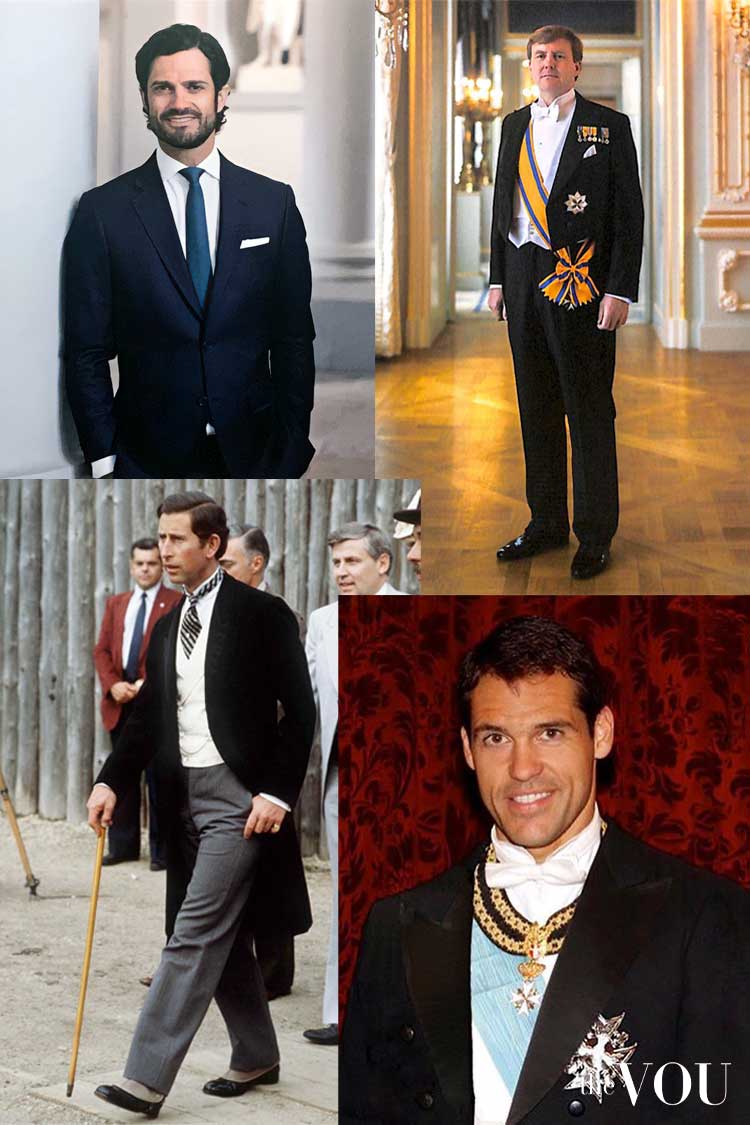
This guide explains the town and country split, then gives practical advice on buying, keeping and combining clothes in this tradition.
Town and country: the core of the look
Traditional British dressing grew up around two settings: the town, for work and formal events, and the country, for walking, shooting and riding.
London has long been known for tailoring on Savile Row and for shirtmakers on Jermyn Street.
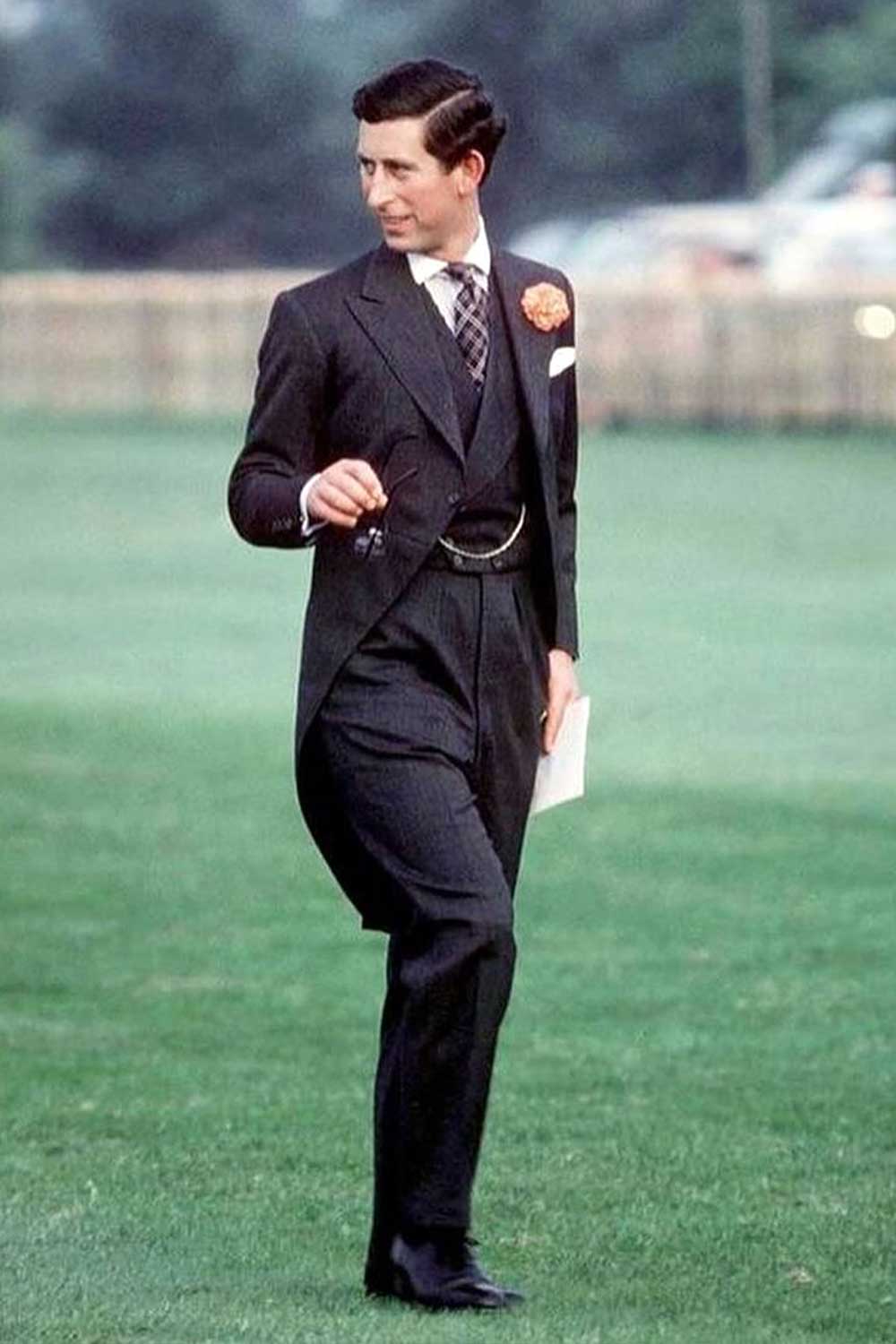

Town clothes meant dark worsted suits in navy or grey with black shoes.
Country clothes meant tweed jackets, cord or flannel trousers and brown shoes.
That split gave rise to the saying “no brown in town”, but as the menswear writer Simon Crompton noted in Permanent Style, the rule is out of date; what lasts is the idea of dressing for the setting.
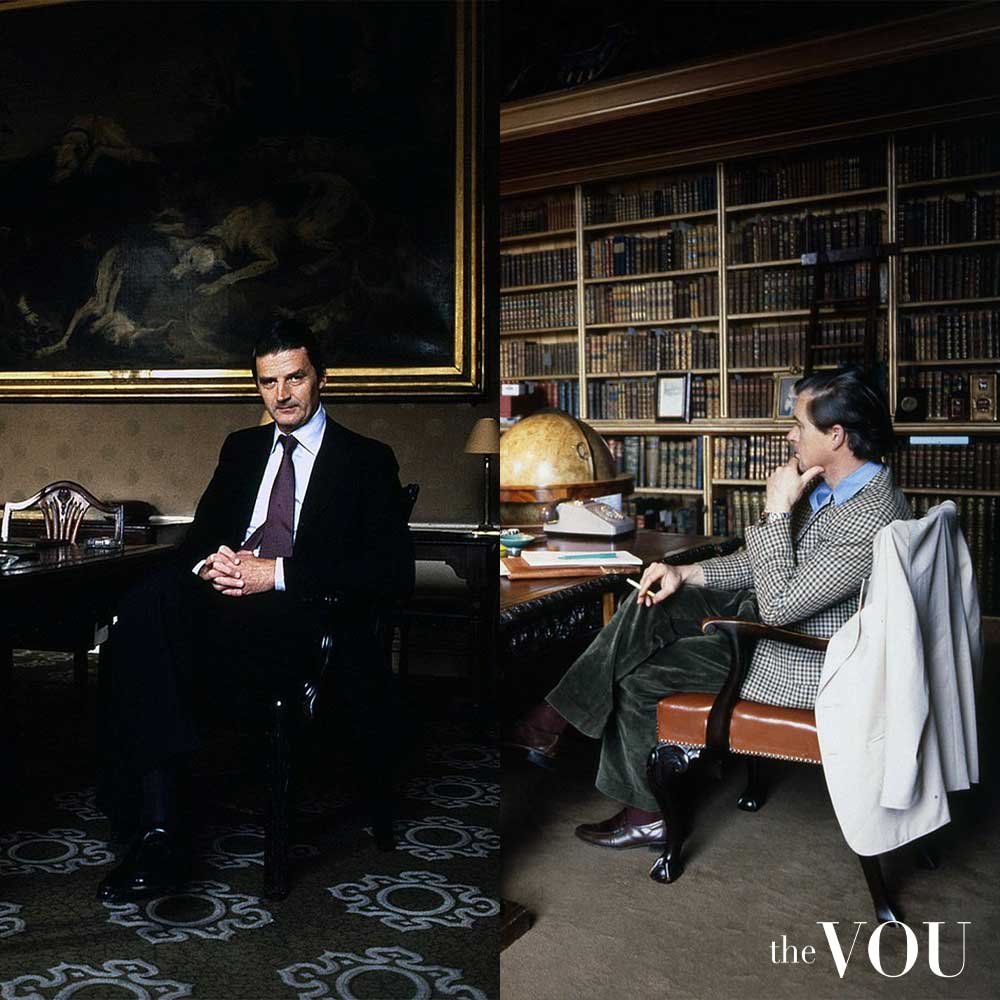
The two photographs above show the contrast.
On the left, a navy suit, white shirt, silk tie and black calf shoes suit business in town.
On the right, a brown check tweed jacket, cord trousers, light blue shirt and brown loafers suit the country.
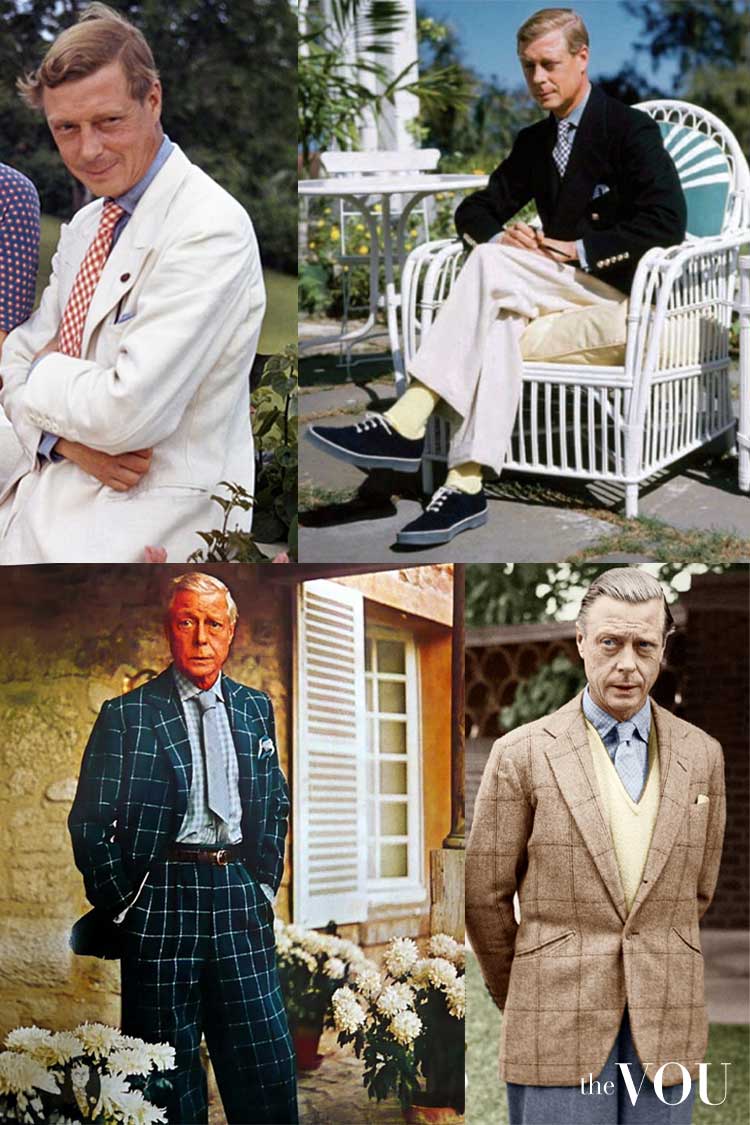
Notice in the photographs above that shirt collars have points long enough to tuck under the jacket lapels, a detail that keeps a collar neat with or without a tie.
How to dress in this tradition
The look is less about expensive clothes than about how you buy, keep and combine them.
It overlaps with the أسلوب المال القديم many readers search for.
Wear your clothes for years
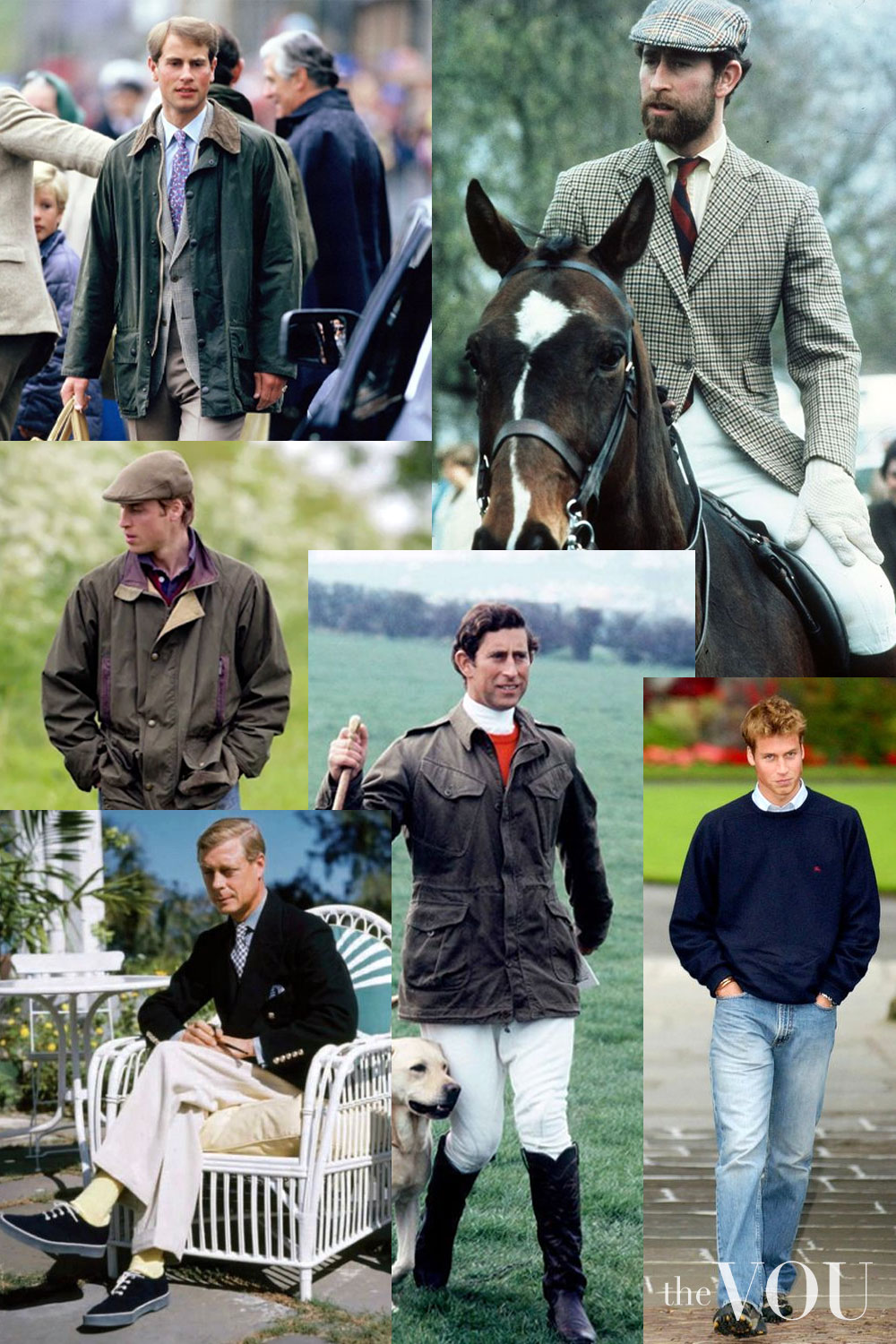
التسوق خمر and second-hand is one of the easiest ways into this look, because the cloth and cuts are already right.
A jacket that has been worn and repaired for years is welcome here, and a frayed cuff or a patched elbow is no embarrassment.

In a British Vogue interview published at the end of 2020, the then Prince of Wales said he was one of those people who would get shoes or any clothes repaired if he could, rather than throw them away.
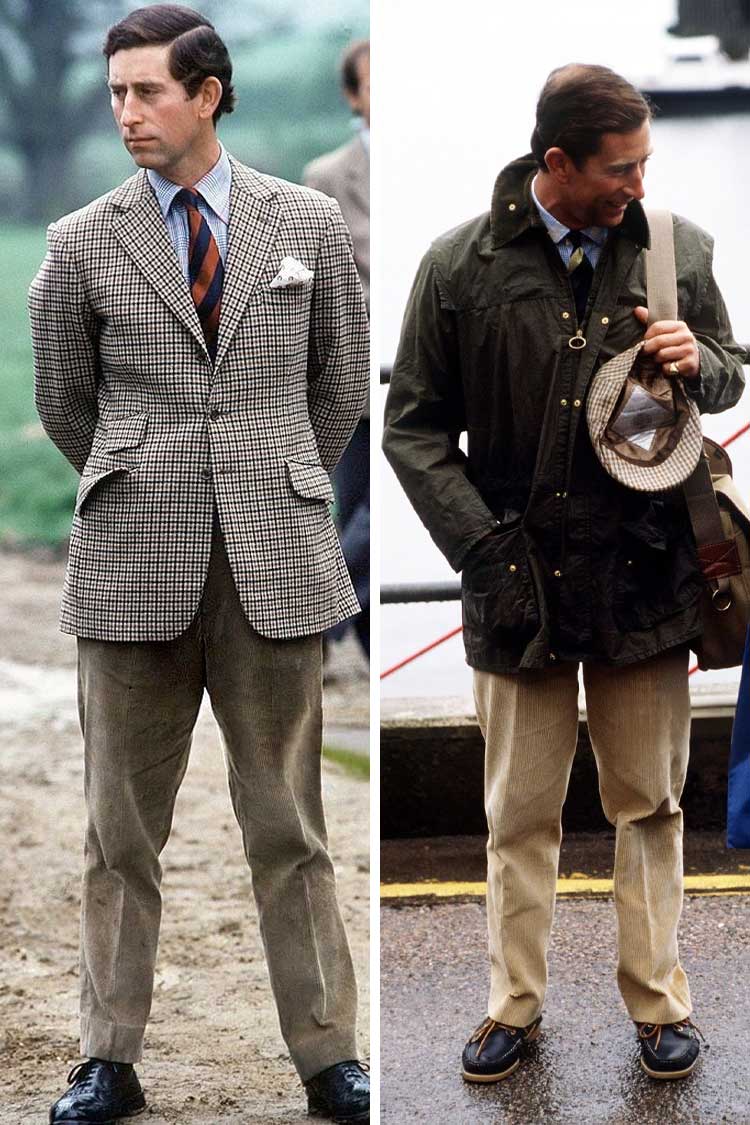
When you buy new, buy what you can afford in durable cloth, have it altered to fit and wear it until it wears out.
اليد لي هبوطا
Clothes passed down in a family, such as an old waxed jacket, a tweed coat or a tie, add to the charm of this style.

The same thinking works for suits, ties and shoes: if a garment still fits or can be altered, keep wearing it.
قماش طبيعي
Wool, cotton, linen, leather and cashmere make up most of the wardrobe.
Modern waterproofs and technical outdoor fabrics are sensible for bad weather, but the jackets, shirts and trousers are usually natural cloth.
Layers rather than less
In this tradition people tend to wear a few more layers: where another outfit might be jeans and a T-shirt, this one adds a shirt, a jumper or blazer and perhaps a scarf.
Dress for the weather and the setting, and remember that a shirt and jumper look smarter than a T-shirt in most places.
A softer alternative to the corporate uniform
The classic business outfit is a dark suit, white shirt and plain tie.
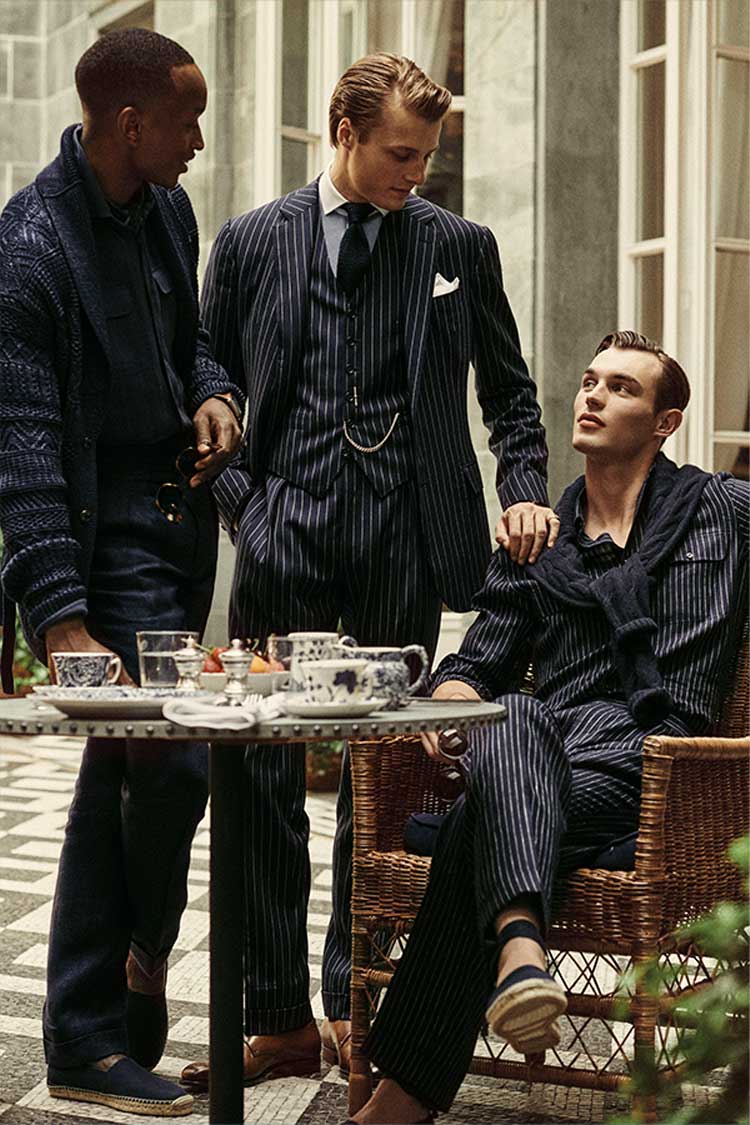
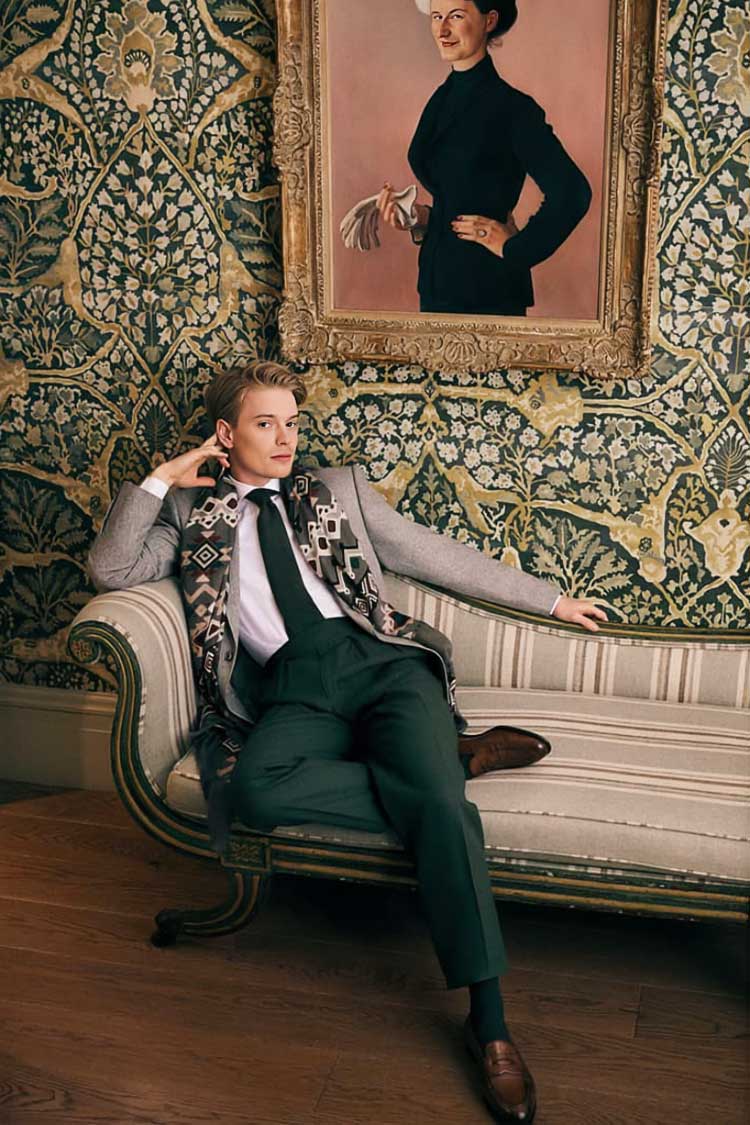
Traditional British dressing is often softer: a double-breasted suit in a mid-grey or a light colour, a patterned shirt and a patterned tie.

For weekends, think of what you would wear to a Sunday lunch in a village rather than to a city office.
أنماط
A plain shirt with a solid jacket and tie is rare in this look outside funerals and very formal events.
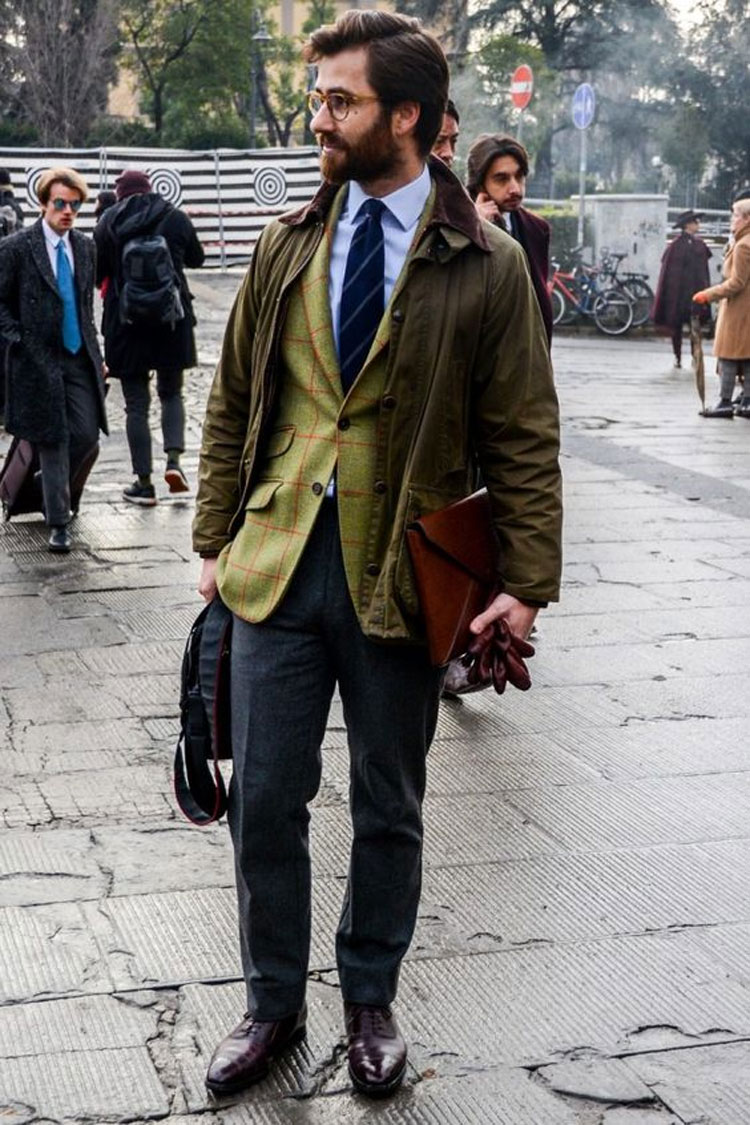
More often you will see cord or flannel trousers, an odd jacket, a shirt with a small stripe or check, and a diagonally striped or paisley tie.

Keep at least one plain garment in each outfit so the patterns do not fight, and avoid looking as if you are trying too hard.
The suit cut
Choose a classic cut rather than an extreme one: medium lapels, a natural shoulder and trousers with a little room.

A vintage watch, shoes with an old patina, a cotton or silk pocket square and a ring with personal meaning add character.
Cloth with some weight
Pre-war photographs show grey or dark suits with small patterns in town and brown or green tweeds in the country.
Cloth was often heavier and rougher than today’s; many mills still offer heavier cloths, which hold their shape well.
الأحذية
Black Oxfords suit formal town wear and brown brogues the country, although brown shoes are now widely worn in town too, and simple brogue boots work for winter.
Avoid very pointed or square toes; round-toed classic shapes from established makers such as جون لوب, or similar shoes from other makers, last for years when resoled.
Polish them regularly and use shoe trees.
Wardrobe staples
Start with two or three good suits, such as a navy or grey single-breasted suit and one double-breasted suit.
A suit made by a tailor is not essential: a good ready-made suit altered to fit works well.
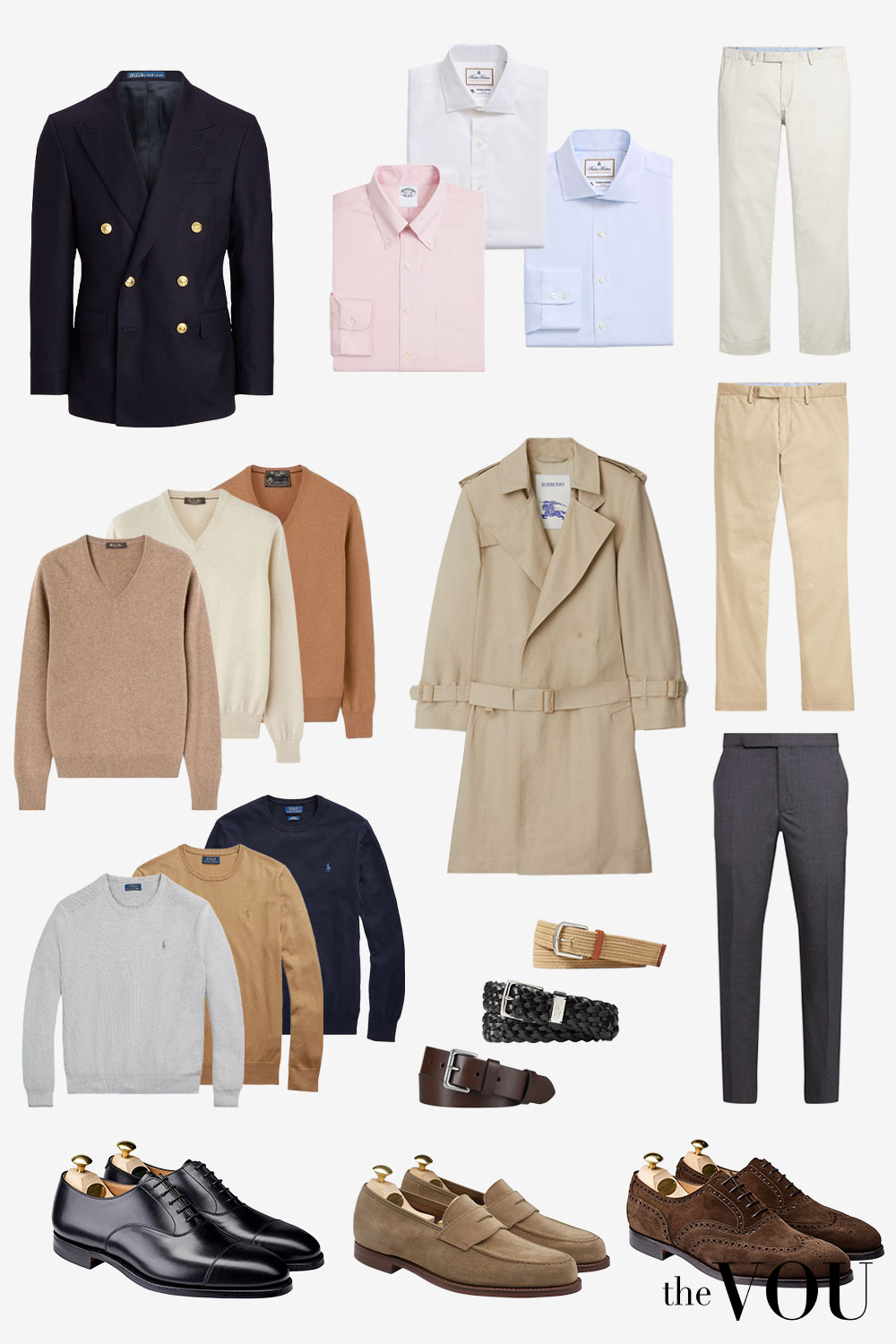
Add two odd jackets, such as a herringbone tweed and a brown country tweed, with chinos and cord trousers.
Coloured trousers in red or green with a navy blazer are a familiar sight in this look.
Keep white and light blue shirts for formal days, patterned shirts for the rest, Oxford shirts for weekends, and wool or cashmere jumpers in bottle green, dark red, navy or brown for winter.
A small collection of ties is enough, and ties handed down from relatives, even a 1960s paisley, work well with plain suits.
A white cotton or linen pocket square goes with everything; there is no need for elaborate folds.
الاكسسوارات
Keep jewellery simple: a wedding ring if you wear one, a plain watch and, if it has meaning for your family, a signet ring.
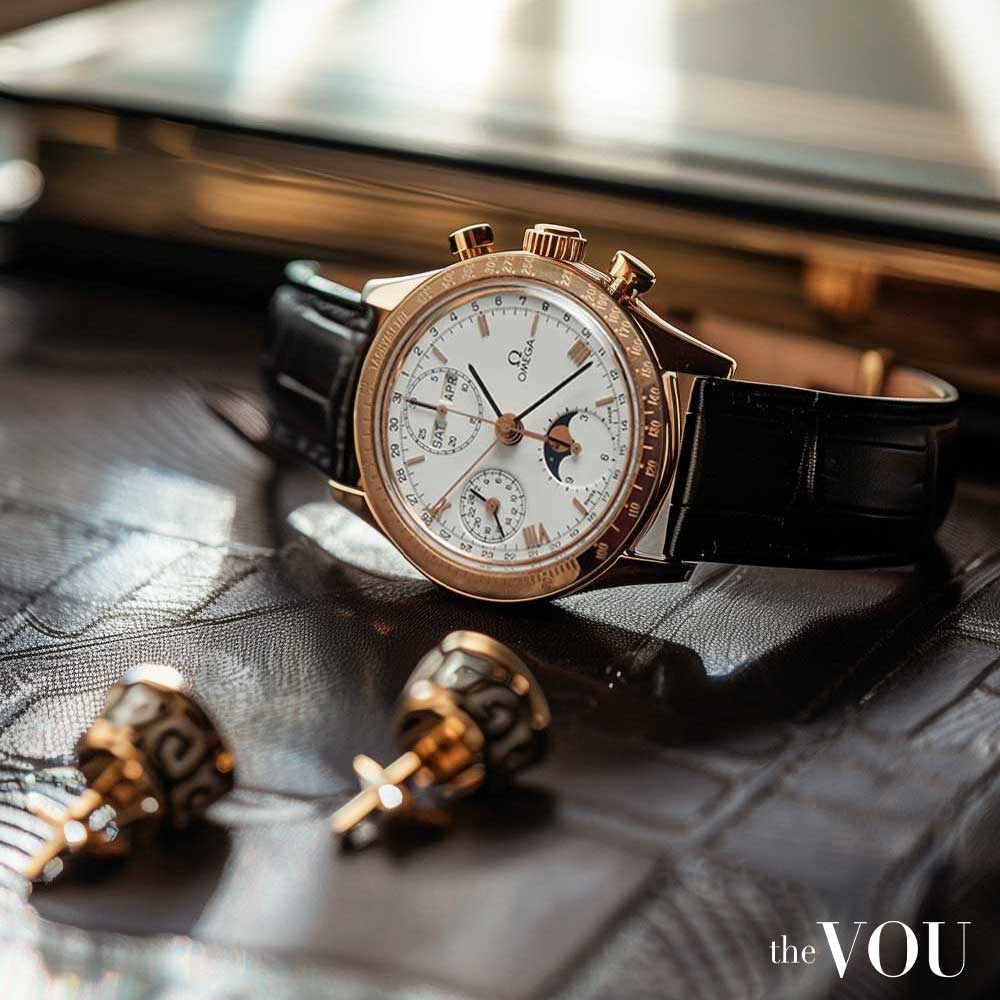
Second-hand watches and antique-shop cufflinks are affordable ways to add character.
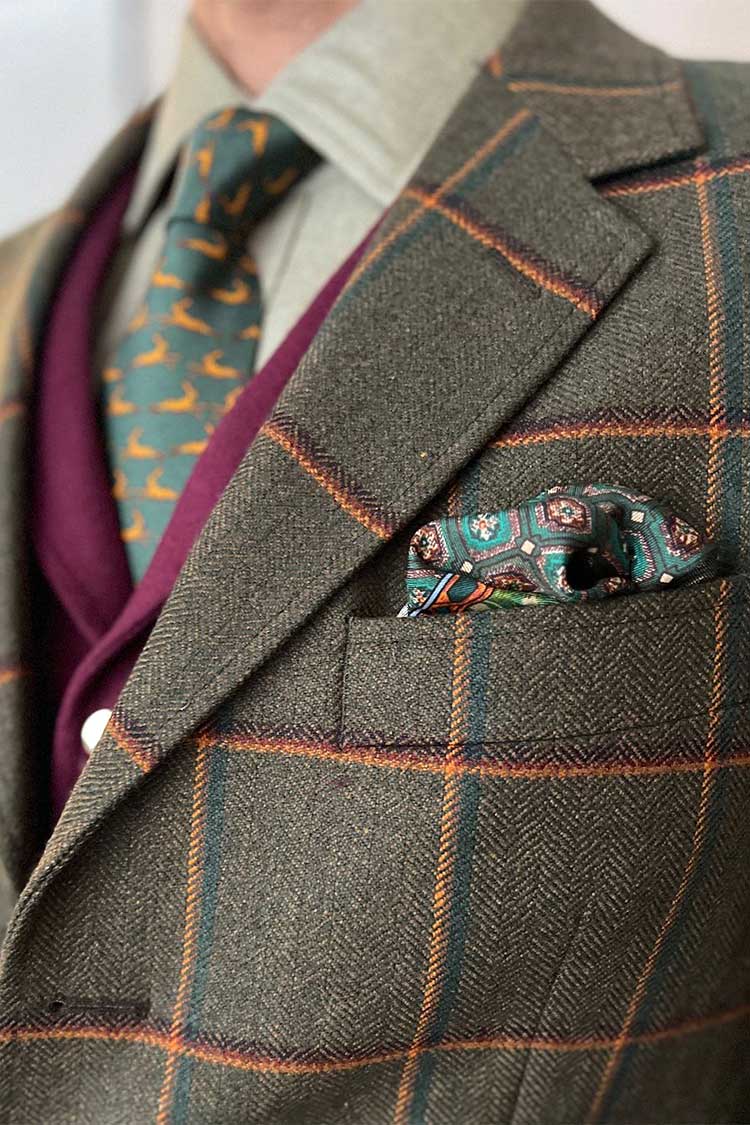
Striped regimental, school and club ties signal membership in the UK, so wear one only if you belong to the regiment, school or club.
British regimental stripes usually run from the left shoulder down to the right hip, while American repp ties often run the other way.
العناية الشخصية
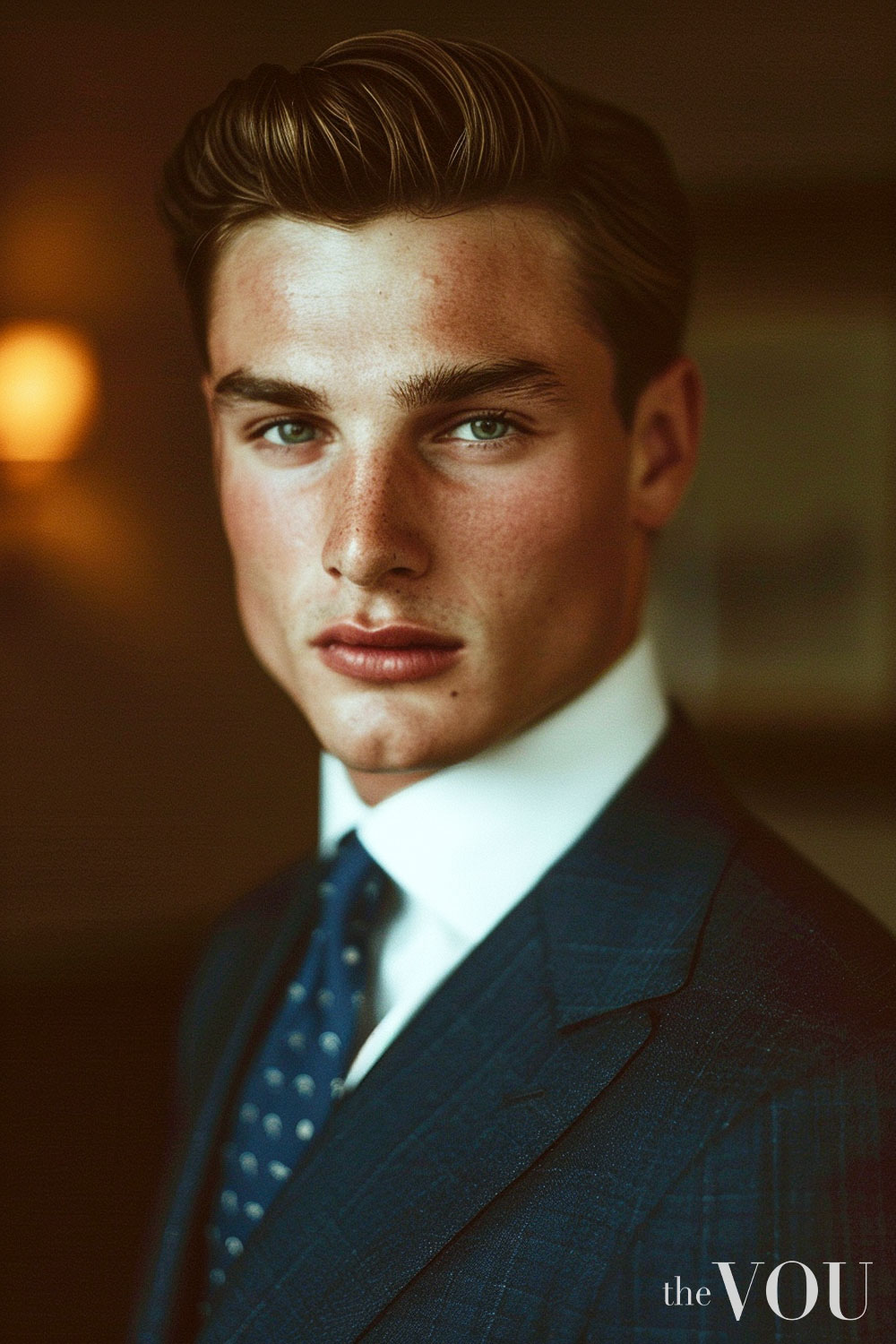
Keep grooming tidy rather than styled: a mid-length side-parted cut from a regular barber suits the look.
A beard or moustache works if it is kept neat.
Keep nails short and clean, and use fragrance lightly, if at all.
نهج وسلوك إيجابي
The look succeeds when you do not seem to be thinking about your clothes.
Avoid visible designer logos and fashion-led shapes; choose clothes you will still want to wear in ten years.
تجميعها
Notice what people you admire wear, how they match shirts and ties and how they behave.
Adopt the habits you like, ignore the rest and build your own version slowly.
ابدأ الخطوة الأولى مع اختبارات تنسيق الأزياء من The VOU
If you would like help applying this style to your own wardrobe, start with our free quizzes, then book a paid consultation if you want personal help.
تحقق من شكل وجهك باستخدام اختبار شكل الوجه.
اكتشف ألوانك الموسمية من خلال اختبار تحليل الألوان الموسمية.
تحقق من شكل جسمك باستخدام اختبار شكل الجسم.
أجرِ اختبار أسلوب الموضة لمعرفة الأنماط التي تناسب ذوقك.
None of the quizzes is needed to wear the clothes in this guide.
استشارات مدفوعة الأجر مع ذا فو
للحصول على مساعدة شخصية، تقدم مؤسسة VOU استشارات مدفوعة الأجر، مثل باقة تحليل شكل الوجه ، والتي تغطي تسريحة الشعر وشعر الوجه والنظارات واقتراحات العناية الشخصية.
تتضمن حزمة تحويل الصورة الكاملة تحليلات شكل الوجه، واللون الموسمي، وشكل الجسم، وأسلوب الموضة.
تركز ماندي ماير في موقع The VOU على تنسيق ملابس الرجال بما يتناسب مع شكل الجسم، وملاءمة الملابس، وتناسقها. وتتناول تغطيتها الجوانب العملية لاختيار الملابس: كيف تبدو السترة على الكتفين، وكيف ينسدل البنطال، وكيف تؤثر القصات المختلفة على المظهر الذي يرغب الرجل في الحصول عليه.
تشمل مجالات تخصصها تصنيفات أشكال الجسم المختلفة، كالمثلث، والمثلث المقلوب، والمستطيل، والبيضاوي، وشبه المنحرف، والساعة الرملية، والمعين. تُعدّ هذه التصنيفات مرجعًا أوليًا لمقارنة النسب الظاهرة، لكنها لا تُغطي جميع أشكال الجسم ولا تُحدد طريقة واحدة صحيحة لارتداء الملابس. ويركز عملها على ربط هذه الملاحظات بشكل الملابس، وتصميمها، وطولها، والعلاقة بين الجزء العلوي والسفلي من الزي.
تجمع تغطية ماندي التحريرية بين المقارنات البصرية واختبارات المقاسات لضمان الراحة وحرية الحركة. يمكن للقراء تحديد ما إذا كان التصميم يوفر لهم المساحة الكافية، ومواضع الشد أو التكتل في الملابس، والتعديلات التي قد تدعم إطلالتهم المفضلة. الهدف هو جعل خيارات ملابس الرجال أكثر وضوحًا مع الحفاظ على التفضيلات الشخصية وأهداف الأناقة الخاصة بكل رجل.