
تبدأ هنا
ما هو موضوع هذا؟
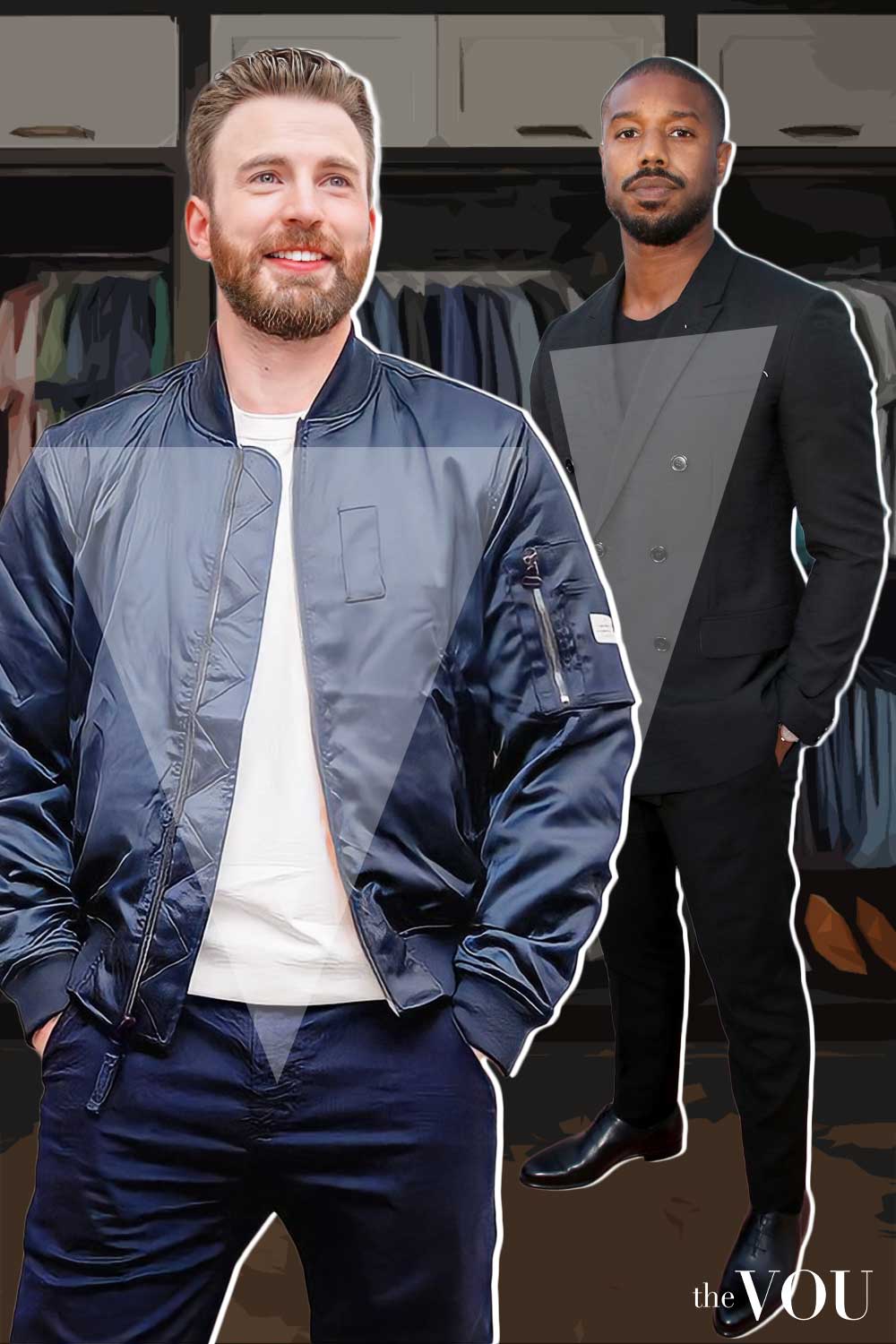
لا يوجد شكل جسم ذكوري واحد تحتاج إليه قبل أن تتمكن من ارتداء ملابس جيدة: فالأكتاف العريضة على شكل حرف V هي أحد خيارات التصميم من بين عدة خيارات.
This guide covers research on male body ideals and practical dressing choices, such as:
- what a rating study in Britain and Malaysia found about preferred male figures
- what research on clothing and confidence does and does not show
- why fit comes before any optical effect
- options for Inverted Triangle, Rectangle, Trapezoid, Triangle, Oval, Hourglass and Diamond
- how to combine descriptions when more than one fits you
وغيرها الكثير!
These are descriptive styling terms, not diagnoses, a fitness ranking or a set of measurement thresholds.
النقاط الرئيسية:
01Start with clothes that accommodate your body, then decide what you want their shape to emphasise.
02Attractiveness studies describe preferences in particular groups; they do not set a body every man should pursue or test clothing choices.
03Stripes, colours, lapels and fastenings do not produce guaranteed slimming, widening or height effects, so compare options on your own outfit.
04If you see features of two descriptions, use the advice from both.
What research says about an “ideal” male shape
In Swami and Tovée’s 2005 study, women in Britain and Malaysia rated photographs of men.
Preferences differed between the urban and rural groups: urban participants favoured a slimmer, more triangular figure, while the rural group favoured a heavier, less triangular one.
This was an attractiveness-rating study in particular populations.
It did not identify a body that every man should pursue, test clothing choices or validate seven styling categories.
The useful distinction is between a preference observed in a study and a requirement for your wardrobe.
Neither a photograph rating nor a body-shape name tells you how much room your shirt needs at the abdomen, whether a jacket lets you reach forward or which silhouette you enjoy wearing.
A photograph also cannot explain why a stylist chose a garment.
This article uses garment examples; named examples for each shape are collected in the separate celebrity articles linked in each shape section.
It makes no claim about how frequently each shape occurs.
Clothing, confidence and the limits of the evidence
البحث عن الإدراك الملبس examines how clothing’s symbolic meaning can affect the wearer.
A meta-analysis published online in 2023 and in a 2025 journal issue raised concerns about early studies’ replicability and found evidential value in later studies.
That does not establish that dressing for a body-shape label improves confidence, negotiations or first impressions.
For everyday dressing, use checks you can make yourself: can you sit comfortably, do fastenings pull, does the outfit suit the occasion, and do you like its outline?
You can prefer a close fit, a generous cut or a mixture.
You do not need to justify that preference through a psychological claim.
Choose fit before choosing an effect
استخدم seven body-shape descriptions concern the visible torso outline.
Shoulder and hip widths seen from the front are different objects from chest, waist and seat circumferences measured with a tape.
Do not compare a width with a circumference or require matching numbers to choose a section.
Stand naturally in clothing that does not obscure the outline.
If you see features of two descriptions, use the advice from both.
Natural waist and fullest abdomen can be at different levels; trousers need room where their waistband actually sits, and a shirt must accommodate the middle even when your shoulders look broad.
When buying, follow the measurement method of the maker you are buying from.
Check whether a chart describes the body or the finished garment and whether its dimensions are flat widths or circumferences.
Do not add a universal ease allowance.
Try clothes with the intended layers, shoes and belt or braces, then sit, bend and reach.
garment-fit guide covers these checks in more detail.
The suggestions below are options to compare on your own outfit.
Stripes, light and dark colours, lapels and fastening positions do not produce guaranteed slimming, widening or height effects.
1. Inverted Triangle: show or soften the upper taper
In this guide, Inverted Triangle describes an upper-torso and shoulder outline noticeably broader than the hips.
It does not establish muscle development, fitness, thigh size or the absence of a fuller abdomen.
To follow the taper, compare shirts with different chest-to-waist shaping.
Start with enough room across the chest and shoulders, then check the waist fastened and seated.
A slim or tailored label alone cannot establish either dimension.
If the chest fits but the waist has more cloth than you want, ask a tailor what can be taken in without disturbing the garment.
To soften the contrast, try straight or fuller trousers with sufficient seat and thigh room.
A softly constructed jacket is another option when you prefer less emphasis at the shoulders.
More structured shoulders remain available if you enjoy that outline.
A practical comparison is the same shirt worn first with tapered trousers and then with a fuller leg.
Judge the whole outfit, including shoes and hem length.
استخدم Inverted Triangle guide for further garment choices.
A separate article collects the names usually mentioned for this shape.
2. Rectangle: keep a straight line or introduce shaping
Rectangle describes relatively little visible taper through shoulders, torso and hips.
It does not require equal chest, waist and hip circumferences, and it says nothing about height or weight.
For a straighter outline, try an overshirt or jacket with little waist suppression over straight trousers.
Check the hem when you reach and sit: a deliberate loose cut should still provide the coverage and movement you want.
If you prefer more waist definition, compare a gently shaped jacket or a shirt with darts against a straight-cut version.
Fasten it and look from the side as well as the front.
Added waist shaping should not make the buttons pull or the cloth strain over the abdomen.
Layering offers another choice: a light knit beneath a jacket adds actual cloth volume.
Check that the sleeve and armhole still accommodate it.
A chest pocket or pattern can provide interest without a promise that it broadens your body.
استخدم Rectangle guide explores these alternatives.
A separate article collects the names usually mentioned for this shape.
3. Trapezoid: decide how much taper to follow
Trapezoid is The VOU’s term for a gentler shoulder-to-hip taper.
Its boundary with Inverted Triangle is qualitative; it is not an average body, an ideal or a guarantee that standard sizes fit.
A jacket with modest waist shaping and trousers that fit the seat and thighs can follow this outline.
A straighter jacket and fuller trousers can produce a different one.
Choose between them by appearance, movement and the occasion.
For a simple comparison, try a plain shirt under two jackets: one softly shaped and one with a more defined waist.
Check the shoulder line, fastening and sleeve length independently.
A suit size that accommodates the chest may still need adjustments elsewhere.
Keep the cloth’s behaviour separate from its name or fibre content.
Feel how the garment moves and check whether it catches on the layer beneath.
Neither “performance” nor a Super number such as Super 120s establishes the drape you will get.
شاهد Trapezoid styling guide.
A separate article collects the names usually mentioned for this shape.
4. Triangle: accommodate the lower torso first
Triangle describes a lower-torso or hip outline broader than the shoulders.
A fuller abdomen may create additional fit needs, but the name does not establish where body fat is distributed.
Choose trousers with enough seat and thigh room, then check the waistband at its intended level while seated.
If pleats open or pockets pull when you stand, compare another size or cut rather than treating the styling label as the answer.
If you want more presence at the shoulder line, compare a lightly structured jacket with a soft one.
An extended shoulder can be deliberate, so assess the cut and movement rather than demanding one seam position for every jacket.
Check that a longer hem does not catch over the hips.
A brighter shirt, breast pocket or scarf is an optional way to place interest higher in the outfit.
You can also wear a quiet upper half and make the trousers the focus.
Neither direction is a correction your body requires.
استخدم Triangle guide offers further examples.
A separate article collects the names usually mentioned for this shape.
5. Oval: allow room through a rounded fuller middle
We use Oval for a rounded fuller-middle outline with more general fullness through the torso.
This is how The VOU uses the term; it is not an industry-standard classifier.
Your natural waist does not have to be your largest circumference.
It can overlap Diamond and other descriptions.
Start with the shirt or jacket fastened.
Check the fullest abdomen as well as the chest; the cloth should not be forced apart between buttons.
If you want a close outline, seek shaping that still leaves room there.
A straighter or looser cut is equally available.
For trousers, compare waistband positions and rises on the actual garment.
A longer rise may give useful coverage, but no rise label ensures it will stay comfortable on every wearer.
Test sitting, bending and the intended support.
A belt or braces is not evidence of poor fit by itself.
To explore a quieter front, try a plain shirt under an open jacket, then compare it with a patterned shirt.
If you want to emphasise the middle, a contrast belt or visible pattern is an option.
There is no blanket ban on horizontal stripes, bright colours or double-breasted jackets.
Check the latter fastened rather than rejecting it by name.
اقرأ مقال Oval guide لمزيد من التفاصيل.
A separate article collects the names usually mentioned for this shape.
6. Hourglass: follow or soften a defined waist
Hourglass describes shoulders and hips that appear broadly balanced, with a more defined waist between them.
It does not require a specified centimetre difference, broad shoulders, a particular muscularity or matching chest and hip circumferences.
To follow the waist, compare shaped shirts, jackets or waistcoats that fit the chest and hips comfortably.
Fasten each garment and check it seated.
Waist suppression describes shaping in the garment; it should not become compression you cannot move in.
For a straighter outline, try an overshirt or jacket with less waist shaping, and compare straight or fuller trousers.
A closely fitting fine knit will follow the body differently from a loose, heavier knit; choose by the actual garment rather than a rule that one fibre suits this shape.
You can keep the waist defined above and wear fuller trousers below, or choose more volume throughout.
Rise, leg width and hem length are separate decisions.
شاهد Hourglass guide.
A separate article collects the names usually mentioned for this shape: 10 مشاهير بأجسام على شكل الساعة الرملية.
7. Diamond: compare structure and room through the middle
We use Diamond for an outline in which the middle stands out more distinctly between a comparatively narrower upper and lower torso.
This usage overlaps Oval.
It does not impose a shoulder-to-chest hierarchy, a largest-natural-waist requirement or slim legs.
If you prefer a more pronounced shoulder line, try a jacket with some shoulder structure, then compare a softer cut.
Check reaching forward and fastening before judging the outline.
Shoulder presence and enough room across the middle need to work together.
Peak and notch lapels are both options.
Compare their shape and the jacket’s buttoning point on you; neither a lapel type nor a three-button fastening guarantees a narrower middle.
A jacket that strains when closed needs a fit decision before an optical one.
Choose trousers for your actual seat and thighs.
Straight, tapered and fuller legs are available; the torso description cannot decide their dimensions.
An untucked shirt also remains an option when its length and movement suit the outfit.
استخدم Diamond guide develops these choices.
A separate article collects the names usually mentioned for this shape.
Use the descriptions together when needed
Consider a hypothetical reader whose shoulders look broader than his hips but whose shirt pulls at the abdomen.
Inverted Triangle may describe his upper outline, while Oval or Diamond advice helps him assess room through the middle.
He does not need one compulsory label before choosing another shirt.
Similarly, a tall reader may have a short torso and long legs, while a shorter reader may have the reverse.
Check sleeve, body and inside-leg lengths separately.
The body-shape description does not replace those measurements or dictate trouser rise.
For an outfit trial, use clothes you already own.
Change one garment at a time, keep the intended shoes and layers, and compare the front, side and seated fit.
This is a suggested comparison, not a claim that The VOU has physically tested the combinations or that any effect is certain.
Further guidance and optional services
استخدم دليل البنطلون for rise, leg line and break, or the دليل مناسب to plan a fitting or alteration.
Tailoring feasibility depends on the garment’s construction, available cloth and the proposed change; a price-list entry is not a guarantee that an operation is possible.
If you are weighing up paid help, our guides cover the styling services image consultants provide و personal image consultants in Los Angeles.
أسلوب مثل الرجل الحقيقي
قبل أن نقول وداعاً، فإن الملاءمة تقوم بمعظم العمل، سواء كنت تعمل مع مستشاري الصورة أم لا.
يبدأ تنسيق الملابس الاحترافي بالحصول على المقاس المناسب واختيار الملابس التي تناسب المناسبة؛ معرفة شكل جسمك ولوحة الألوان الموسمية يمكن أن يجعل عملية الاختيار أسرع.
كما تغطي أدلتنا أيضاً تنسيق الملابس حسب المناسبة والموقع والموسم ووقت اليوم ، بالإضافة إلى الملابس والأحذية والإكسسوارات وعلامات الأزياء التراثية.
أجب عن اختباراتنا الثلاثة المجانية، ثم احجز استشارة إذا كنت ترغب في الحصول على مساعدة شخصية:
1. ابحث عن شكل جسمك
تناسب الملابس المختلفة أشكال الجسم المختلفة.
لمقارنة شكل جسمك مع أوصاف أشكال الجسم السبعة، قم بإجراء اختبار شكل الجسم المجاني الخاص بنا للرجال.
2. اكتشف ألوانك الموسمية
تأتي الملابس في أطقمك بألوان عديدة.
لمعرفة أي مجموعة ألوان موسمية قد تناسبك، قم بإجراء اختبار الألوان الموسمية المجاني الخاص بنا للرجال.
3. اكتشف أسلوبك في الموضة
لاكتشاف أسلوبك الشخصي في الموضة ، خذ اختبار أسلوب الموضة المجاني الخاص بنا للرجال ؛ فهو يقترح أنماطًا وأفكارًا للملابس وعلامات تجارية لاستكشافها.
احجز استشارة مع VOU
للحصول على مساعدة شخصية، يمكنك حجز استشارات مدفوعة الأجر مع مستشاري المظهر ومصممي الأزياء لدينا.
تعرض صفحة خدماتنا لتصفيف الشعر للرجال الاستشارات المدفوعة.
ارتداء العلامات التجارية الفاخرة ليس كافياً بحد ذاته؛ فكيفية ملاءمة ملابسك للمناسبة أمر أكثر أهمية، ودليلنا الشخصي للأناقة يغطي الباقي.
للمزيد حول العلامات التجارية، اطلع على دليلنا للعلامات التجارية الفاخرة التي تحمل شعارات كثيرة وكيفية ارتدائها.
اتصل بنا إذا كنت ترغب في حجز استشارة.
تركز ماندي ماير في موقع The VOU على تنسيق ملابس الرجال بما يتناسب مع شكل الجسم، وملاءمة الملابس، وتناسقها. وتتناول تغطيتها الجوانب العملية لاختيار الملابس: كيف تبدو السترة على الكتفين، وكيف ينسدل البنطال، وكيف تؤثر القصات المختلفة على المظهر الذي يرغب الرجل في الحصول عليه.
تشمل مجالات تخصصها تصنيفات أشكال الجسم المختلفة، كالمثلث، والمثلث المقلوب، والمستطيل، والبيضاوي، وشبه المنحرف، والساعة الرملية، والمعين. تُعدّ هذه التصنيفات مرجعًا أوليًا لمقارنة النسب الظاهرة، لكنها لا تُغطي جميع أشكال الجسم ولا تُحدد طريقة واحدة صحيحة لارتداء الملابس. ويركز عملها على ربط هذه الملاحظات بشكل الملابس، وتصميمها، وطولها، والعلاقة بين الجزء العلوي والسفلي من الزي.
تجمع تغطية ماندي التحريرية بين المقارنات البصرية واختبارات المقاسات لضمان الراحة وحرية الحركة. يمكن للقراء تحديد ما إذا كان التصميم يوفر لهم المساحة الكافية، ومواضع الشد أو التكتل في الملابس، والتعديلات التي قد تدعم إطلالتهم المفضلة. الهدف هو جعل خيارات ملابس الرجال أكثر وضوحًا مع الحفاظ على التفضيلات الشخصية وأهداف الأناقة الخاصة بكل رجل.